
Homeowners often assume that every part of their house is automatically protected by their insurance policy, but when damage occurs, especially to spe
Last Updated on January 8, 2026 by Aliya Amber
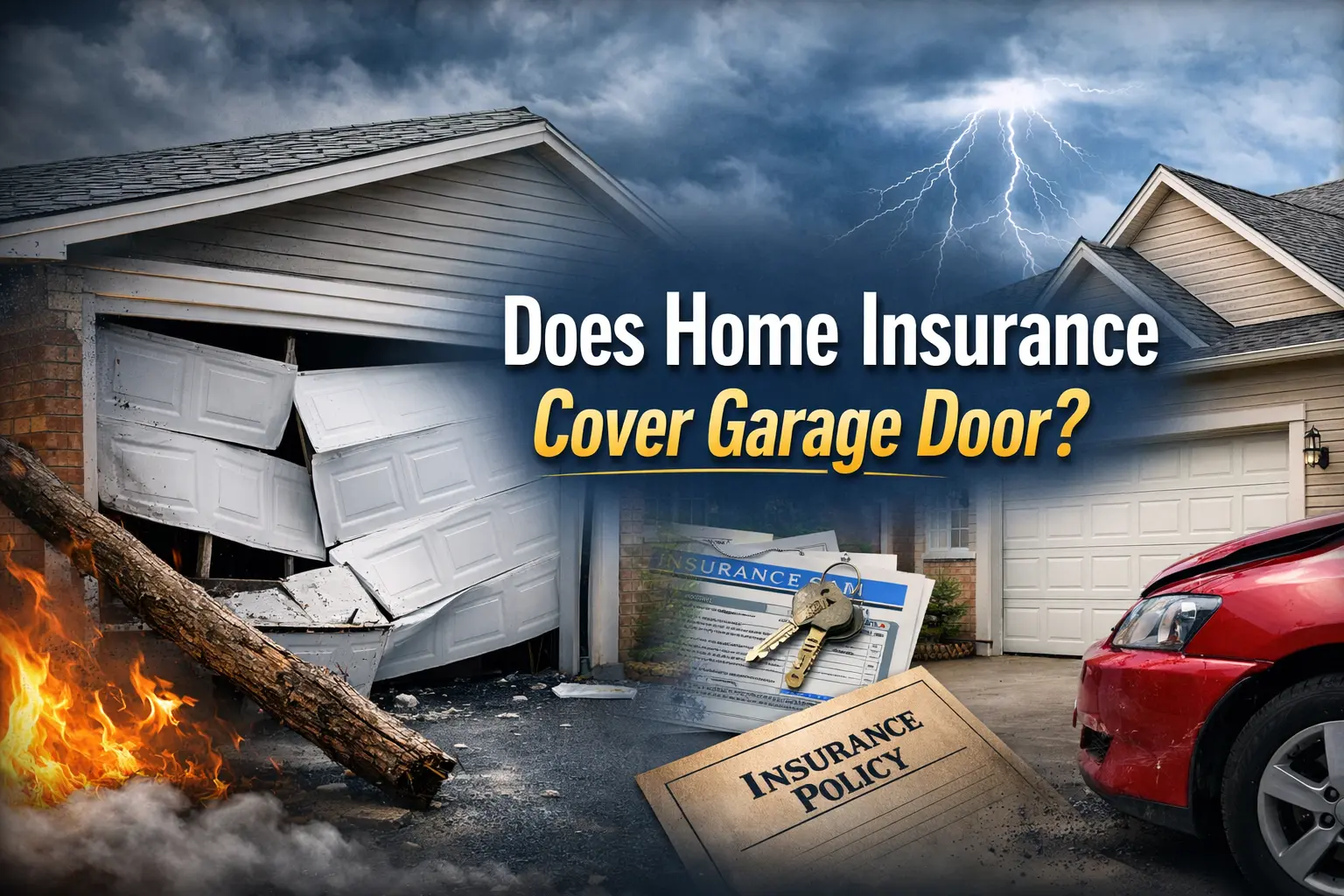
Homeowners often assume that every part of their house is automatically protected by their insurance policy, but when damage occurs, especially to specific components like a garage door, confusion quickly follows. The question “does home insurance cover garage door?” is far more common than most people realize, and the answer is not always as straightforward as yes or no. Coverage depends on how the garage is classified within the policy, what caused the damage, the type of insurance you have, and whether exclusions apply. Understanding these factors before a claim situation arises can save homeowners significant financial stress and frustration.
Garage doors are one of the most frequently used mechanical parts of a home. They are exposed to weather, vehicles, daily wear, and potential vandalism. Because of this constant exposure and usage, garage doors are also among the most commonly damaged home components. Whether insurance covers the damage depends on whether the garage is attached or detached, whether the cause of damage is considered a covered peril, and whether the damage is sudden and accidental or the result of neglect and wear over time.
Also Explore: What Roof Damage Is Covered By Insurance In Cumming, GA
Table of Contents
- Understanding How Home Insurance Works in Relation to Garage Doors
- Does Home Insurance Cover Garage Door Damage?
- Covered Perils That Typically Apply to Garage Doors
- Situations Where Home Insurance Does NOT Cover Garage Doors
- Attached vs Detached Garages and Coverage Differences
- Does Home Insurance Cover Garage Door Damage Caused by a Car?
- Filing a Garage Door Insurance Claim: What to Expect
- How to Maximize Garage Door Insurance Protection
- Final Thoughts:
Understanding How Home Insurance Works in Relation to Garage Doors
Home insurance policies are generally divided into several key coverage sections, including dwelling coverage, other structures coverage, personal property coverage, and liability coverage. Garage doors usually fall under either dwelling coverage or other structures coverage, depending on how the garage is built and connected to the home. Dwelling coverage typically protects the main structure of the house, including walls, roof, and permanently installed features. If the garage is physically attached to the house, the garage door is almost always considered part of the dwelling and therefore covered under this section of the policy.
For detached garages, coverage usually comes from the “other structures” portion of the policy. This part of home insurance covers structures that are not attached to the main house, such as standalone garages, sheds, fences, and gazebos. Although coverage exists, the coverage limit for other structures is often lower than that of the main dwelling, typically around 10 percent of the dwelling coverage amount. This difference in limits can significantly affect how much an insurance company will pay to repair or replace a damaged garage door.
Does Home Insurance Cover Garage Door Damage?
In many situations, home insurance does cover garage door damage, but only when the damage results from a covered peril. Covered perils are specific events listed in the policy that the insurance company agrees to protect against. These typically include events like fire, storms, wind, hail, lightning, vandalism, theft, and damage caused by falling objects. If a garage door is damaged due to one of these events, the policy will generally cover the cost of repair or replacement, subject to the deductible and policy limits.
For example, if a strong windstorm blows debris into your garage door and causes structural damage, home insurance would typically cover that damage. Similarly, if hail dents or punctures the door panels, or if a tree falls onto the garage during a storm, insurance coverage usually applies. Vandalism, such as someone intentionally damaging your garage door, is also commonly covered under standard policies.
However, not all types of damage qualify for coverage. Insurance companies distinguish between sudden, accidental damage and gradual deterioration. Damage caused by long-term wear and tear, rust, corrosion, lack of maintenance, or aging materials is almost never covered. Insurance is designed to protect against unexpected losses, not predictable or preventable maintenance issues.
Covered Perils That Typically Apply to Garage Doors
One of the most important factors in determining whether home insurance covers a garage door is the cause of the damage. Most standard home insurance policies are written as named-peril or open-peril policies. Named-peril policies list exactly which events are covered, while open-peril policies cover everything except what is specifically excluded.
Storm-related damage is one of the most common reasons homeowners file garage door insurance claims. Windstorms can bend tracks, rip panels from their hinges, or cause the entire door to collapse. Hailstorms can dent metal doors or crack composite materials. In these cases, insurance coverage generally applies as long as the storm is not excluded by the policy.
Fire damage is another clear example of a covered peril. If a fire damages or destroys a garage door, whether from a house fire or an external source, insurance coverage usually applies. The same is true for lightning strikes, which can damage garage door openers, motors, and electronic components.
Vandalism and theft-related damage are also typically covered. If someone attempts to break into your garage and damages the door in the process, insurance usually pays for repairs. Damage caused by falling objects, such as tree branches or construction debris, is another common covered scenario.
Situations Where Home Insurance Does NOT Cover Garage Doors
While coverage is common, there are many situations where home insurance does not cover garage door damage. The most frequent reason for denial is normal wear and tear. Garage doors experience constant stress from daily opening and closing, temperature changes, moisture exposure, and mechanical strain. Over time, springs weaken, panels warp, tracks bend, and motors wear out. Insurance companies consider this type of deterioration a maintenance issue rather than an insurable loss.
Mechanical failure is another common exclusion. If the garage door opener stops working due to age, poor installation, or internal mechanical failure, insurance generally does not cover repairs or replacement. Similarly, rusted hinges, corroded tracks, or cracked panels caused by prolonged exposure to the elements are considered maintenance-related problems.
Damage caused by pests or animals is often excluded as well. If rodents chew through wiring or animals damage the garage door, many policies will not cover the repairs unless you have specific endorsements. Flood damage is another major exclusion in standard home insurance policies. If floodwater damages your garage door, coverage typically does not apply unless you have separate flood insurance.
Negligence can also void coverage. If an insurance company determines that damage occurred because the homeowner failed to maintain the garage door properly or ignored known issues, the claim may be denied. For example, continuing to operate a door with broken springs or damaged tracks until it fails completely may be considered neglect.
Attached vs Detached Garages and Coverage Differences
Whether a garage is attached or detached has a direct impact on insurance coverage. Attached garages are usually covered under dwelling coverage, which often has higher limits and broader protection. This means repairs or replacement of the garage door are more likely to be fully covered, subject to the deductible.
Detached garages fall under other structures coverage, which typically has lower limits. While coverage still exists, homeowners may find that the policy limit is not sufficient to cover the full cost of replacing a high-end or custom garage door. This is especially important for homeowners with detached garages that feature insulated doors, custom materials, or automated systems.
Understanding these distinctions allows homeowners to adjust their coverage limits if necessary. Increasing other structures coverage can provide additional protection for detached garages and their doors.
Does Home Insurance Cover Garage Door Damage Caused by a Car?
One of the most frequently asked questions related to garage doors is whether insurance covers damage caused by a vehicle. The answer depends on whose car caused the damage and what type of insurance is involved. If the homeowner accidentally crashes their own vehicle into the garage door, home insurance may cover the damage to the structure, while auto insurance typically covers damage to the vehicle. However, some insurers prefer auto insurance to handle both aspects of the claim.
If someone else crashes into your garage door, their auto liability insurance usually pays for the damage. In hit-and-run situations, home insurance may step in if the damage is considered vandalism or collision-related, depending on policy language.
It’s important to note that filing a claim for vehicle-related garage door damage may affect future premiums, so homeowners should consider repair costs versus deductible amounts before filing a claim.
Filing a Garage Door Insurance Claim: What to Expect
When filing an insurance claim for garage door damage, documentation is critical. Homeowners should take clear photos of the damage from multiple angles, document the cause of damage if possible, and keep any receipts related to emergency repairs. Insurance companies may send an adjuster to inspect the damage and determine whether it qualifies as a covered loss.
The insurance payout is typically based on either actual cash value or replacement cost, depending on the policy. Actual cash value takes depreciation into account, meaning older garage doors may receive lower payouts. Replacement cost coverage pays the amount needed to replace the door with a similar new one, without deducting depreciation.
Deductibles also apply. If the cost of repair is close to or below the deductible amount, filing a claim may not be financially beneficial.
How to Maximize Garage Door Insurance Protection
Homeowners can take proactive steps to ensure better protection for their garage doors. Reviewing policy details regularly helps identify coverage gaps, especially for detached garages. Increasing other structures coverage may be wise for properties with expensive garage doors or standalone garages.
Routine maintenance is equally important. Keeping the garage door in good working condition not only prevents breakdowns but also strengthens insurance claims by demonstrating responsible ownership. Installing storm-resistant or reinforced garage doors can reduce damage risk and may even qualify homeowners for insurance discounts in some regions.
Understanding exclusions and optional endorsements also helps. Some insurers offer add-ons that cover mechanical breakdowns or expanded peril coverage, which may be beneficial for homeowners who rely heavily on their garage.
Final Thoughts:
So, does home insurance cover garage door damage? In most cases, yes—but only when the damage is caused by a covered peril and not due to wear, neglect, or excluded events. Attached garages typically enjoy broader coverage, while detached garages may have lower limits. Storms, fire, vandalism, and falling objects are usually covered, while aging, mechanical failure, floods, and poor maintenance are not.
The key to avoiding surprises is understanding your policy before damage occurs. Knowing what is covered, what is excluded, and how claims are handled allows homeowners to make informed decisions, avoid unnecessary expenses, and protect one of the most important entry points of their home with confidence.

COMMENTS