
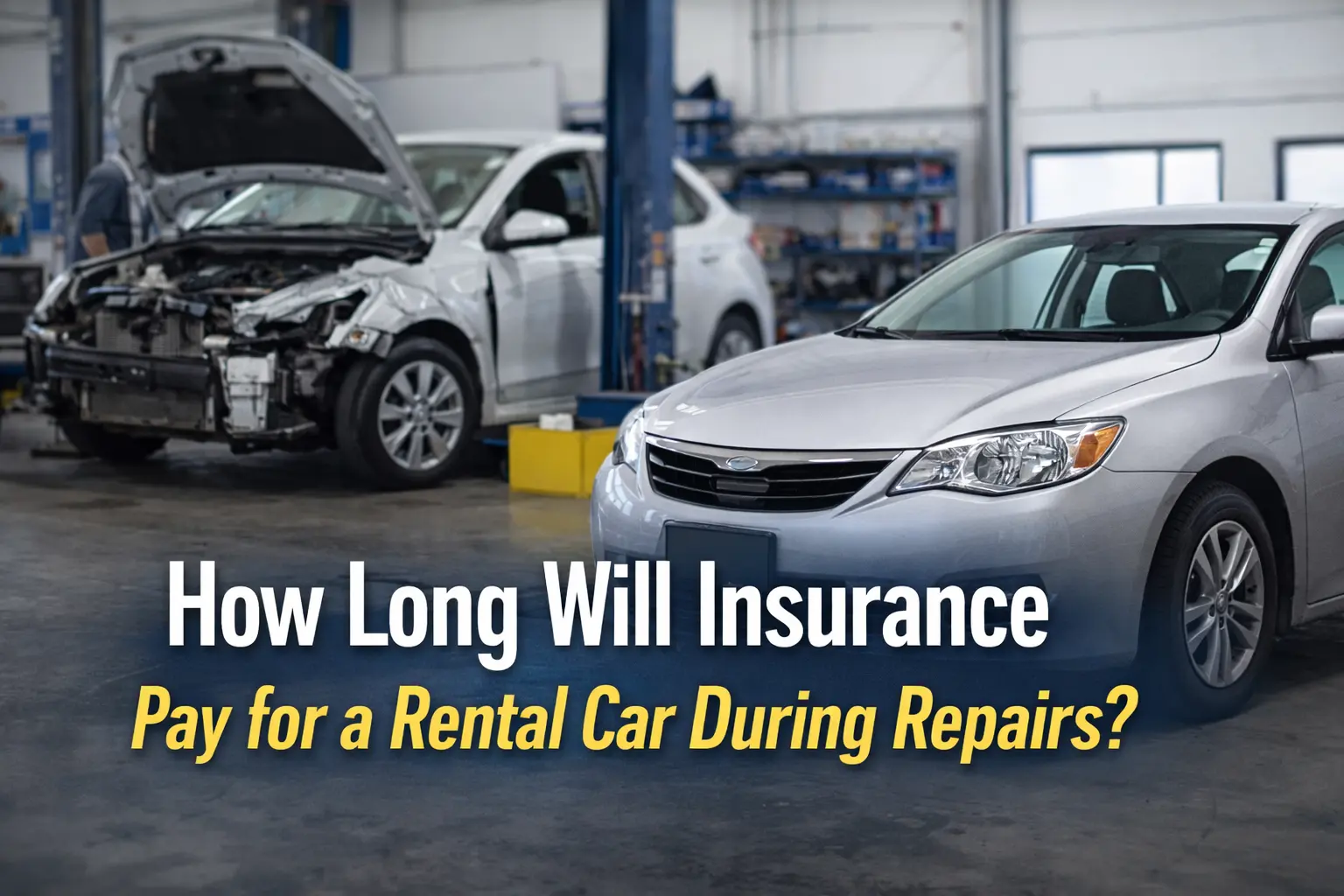
When your vehicle is damaged in an accident, one of the most immediate and stressful concerns is transportation. Even if the damage is minor, being wi
Last Updated on January 8, 2026 by Aliya Amber
When your vehicle is damaged in an accident, one of the most immediate and stressful concerns is transportation. Even if the damage is minor, being without a car can disrupt daily routines, work schedules, family responsibilities, and essential errands. This leads many drivers to ask a critical question: how long will insurance pay for a rental car during repairs? While the idea of rental car coverage sounds simple, the reality depends on policy limits, fault determination, repair timelines, and insurer-specific rules. Understanding how this coverage works before you need it can prevent unexpected expenses and frustration during an already stressful situation.
Rental car coverage is not unlimited, nor is it automatic in every insurance policy. The duration of coverage depends on whether you are using your own insurance, another driver’s insurance, or a combination of both. It also depends on whether the vehicle is repairable or declared a total loss. Many policyholders assume insurance will cover a rental vehicle for as long as repairs take, but in practice, coverage is often capped by time limits, daily cost limits, or specific policy conditions.
Also Explore: How Do Insurance Companies Manage Car Rental Projects
Table of Contents
- What Is Rental Reimbursement Coverage?
- How Long Will Insurance Pay for a Rental Car During Repairs?
- Daily and Maximum Limits Matter More Than Time Alone
- Does Fault Affect How Long Rental Coverage Lasts?
- How Long Will Insurance Pay for a Rental Car If the Vehicle Is Totaled?
- Delays That Can Shorten Rental Coverage
- Does Insurance Cover Rental Cars for Theft or Vandalism?
- Choosing the Right Rental Car During Repairs
- What Happens If Repairs Take Longer Than Expected?
- State Laws and Rental Car Coverage
- How to Maximize Rental Coverage Benefits
- Common Misconceptions About Rental Car Coverage
- Final Thoughts:
What Is Rental Reimbursement Coverage?
Rental reimbursement coverage is an optional add-on to most auto insurance policies. It pays for the cost of a rental car while your insured vehicle is being repaired due to a covered claim. This coverage only applies if your car is unusable because of damage from an accident or another covered event such as vandalism or theft. It does not apply to routine maintenance, mechanical breakdowns, or repairs unrelated to an insurance claim.
This coverage is designed to temporarily replace your vehicle, not to provide long-term transportation. Most policies specify a daily dollar limit and a maximum total payout. For example, a policy may cover up to $30 per day with a maximum of $900 per claim. Once either the daily or total limit is reached, rental coverage ends, even if repairs are not yet complete.
How Long Will Insurance Pay for a Rental Car During Repairs?
In most cases, insurance will pay for a rental car for the length of time your vehicle is considered reasonably under repair, subject to policy limits. This usually means the number of days it should take a repair shop to complete the repairs under normal circumstances. Insurance companies rely on standardized repair estimates and labor timelines to determine what they consider reasonable.
For minor repairs, coverage may last only a few days. For more extensive damage, coverage may extend for several weeks. However, insurance companies do not typically cover delays caused by parts shortages, shop backlogs, or scheduling issues unless those delays are directly related to the claim and documented. If repairs are delayed due to reasons outside the insurer’s control, rental coverage may end before repairs are finished.
Daily and Maximum Limits Matter More Than Time Alone
One of the most misunderstood aspects of rental car coverage is the role of dollar limits. Insurance does not usually promise coverage for a set number of days. Instead, it promises to reimburse rental costs up to a certain amount per day and a maximum total amount per claim. These limits ultimately determine how long coverage lasts.
For example, if your policy covers $40 per day with a $1,200 maximum, insurance will pay for up to 30 days of rental coverage. If repairs take longer than 30 days, you will be responsible for rental costs beyond that point. If you choose a rental car that costs more than the daily limit, you must pay the difference out of pocket, even if the total maximum has not yet been reached.
Does Fault Affect How Long Rental Coverage Lasts?
Fault plays a significant role in rental car coverage, especially when dealing with another driver’s insurance. If you are not at fault and file a claim with the at-fault driver’s insurer, that insurer typically covers a rental car for the entire reasonable repair period. In many cases, there is no daily dollar cap, although insurers still expect the rental vehicle to be reasonably comparable to your own car.
If you are at fault, rental coverage depends entirely on whether you have rental reimbursement coverage in your own policy. Without it, you may not receive any rental coverage at all. If you do have the coverage, the duration is limited by your policy’s daily and maximum limits, regardless of how long repairs take.
How Long Will Insurance Pay for a Rental Car If the Vehicle Is Totaled?
When a vehicle is declared a total loss, rental coverage works differently. Insurance does not continue paying for a rental car until you purchase a replacement vehicle. Instead, coverage usually ends a few days after the insurer makes a settlement offer.
Most insurers allow rental coverage for a short grace period, often between three and seven days after the total loss determination. This window is meant to give you time to arrange alternative transportation or purchase a new vehicle. Once that period ends, rental coverage stops, even if you have not yet received your settlement payment.
Delays That Can Shorten Rental Coverage
Insurance companies expect repairs to proceed efficiently. If delays occur, coverage may end earlier than expected. Common delay-related issues include waiting for specialized parts, repair shop staffing shortages, or customer-requested upgrades or changes. Insurers may also deny extended rental coverage if repairs are paused due to disputes between the repair shop and the policyholder.
Another common issue arises when a vehicle is drivable but not fully repaired. If the insurer determines that the car can be safely driven, they may end rental coverage even if cosmetic or non-critical repairs are still pending. This decision is based on safety and operability rather than convenience.
Does Insurance Cover Rental Cars for Theft or Vandalism?
If your vehicle is stolen and you have comprehensive coverage, rental reimbursement coverage usually applies. Insurance will typically cover a rental car during the period your vehicle is missing and for a short time after it is recovered, if repairs are needed. However, coverage is still subject to daily and maximum limits.
In vandalism cases, rental coverage applies only if the damage renders the vehicle unusable. Minor vandalism that does not affect drivability may not qualify for rental reimbursement, even though repair costs are covered.
Choosing the Right Rental Car During Repairs
Insurance companies expect rental vehicles to be comparable to the insured vehicle, not an upgrade. Renting a luxury or specialty vehicle when your insured car is a standard sedan may result in partial reimbursement or denial of excess costs. Choosing a rental car within the insurer’s guidelines helps avoid out-of-pocket expenses.
Many insurers partner with rental car companies to provide direct billing. Using these approved providers often simplifies the process and ensures rates stay within coverage limits. Renting independently may require you to pay upfront and seek reimbursement later, which can introduce delays or disputes.
What Happens If Repairs Take Longer Than Expected?
When repairs exceed the expected timeline, insurance companies reassess whether the additional rental time is justified. If delays are caused by factors outside the insurer’s control, coverage may end even though repairs are ongoing. However, if delays are due to supplemental damage discovered during repairs, insurers often extend rental coverage after reviewing updated estimates.
Communication is key in these situations. Staying in contact with both the repair shop and the insurer helps ensure that justified extensions are documented and approved. Without documentation, extended rental coverage is unlikely.
State Laws and Rental Car Coverage
Some states have regulations that affect rental car coverage, particularly when dealing with third-party claims. In certain jurisdictions, at-fault insurers are required to provide rental coverage for the full repair period. However, these rules vary widely, and there is no nationwide standard.
Understanding your state’s insurance laws can help set realistic expectations and provide leverage if disputes arise. Even so, policy language usually carries more weight than general assumptions about coverage duration.
How to Maximize Rental Coverage Benefits
Policyholders can take several steps to maximize rental car coverage benefits. Reviewing policy limits before an accident occurs allows you to increase coverage if needed. Choosing a rental car within daily limits prevents unnecessary expenses. Promptly authorizing repairs and avoiding unnecessary delays helps ensure coverage lasts as long as possible.
Keeping records of repair timelines, communications, and approvals also strengthens your position if disputes arise. Insurance companies rely heavily on documentation, and clear records can make a significant difference in claim outcomes.
Common Misconceptions About Rental Car Coverage
Many drivers believe insurance will automatically cover a rental car whenever their vehicle is in the shop. In reality, coverage must be explicitly included in the policy or provided by an at-fault party’s insurer. Another common misconception is that coverage lasts until repairs are fully completed, regardless of time or cost. As explained, limits and reasonableness standards often apply.
Some policyholders also assume rental coverage applies during routine maintenance or recall repairs, which is not the case. Rental reimbursement is tied strictly to covered insurance claims.
Final Thoughts:
So, how long will insurance pay for a rental car during repairs? The answer depends on policy limits, fault, repair timelines, and claim circumstances. In most cases, coverage lasts only as long as repairs are reasonably expected to take and only until daily or total dollar limits are reached. For total losses, coverage ends shortly after a settlement offer is made.
Understanding these rules ahead of time empowers drivers to plan better, avoid surprises, and make informed decisions during claims. Rental coverage is a valuable benefit, but it works best when policyholders know its limits and manage expectations accordingly.

COMMENTS