
Orthodontic treatment is one of the most common long-term dental investments people make, whether for functional reasons, oral health improvement, or
Last Updated on January 7, 2026 by Aliya Amber
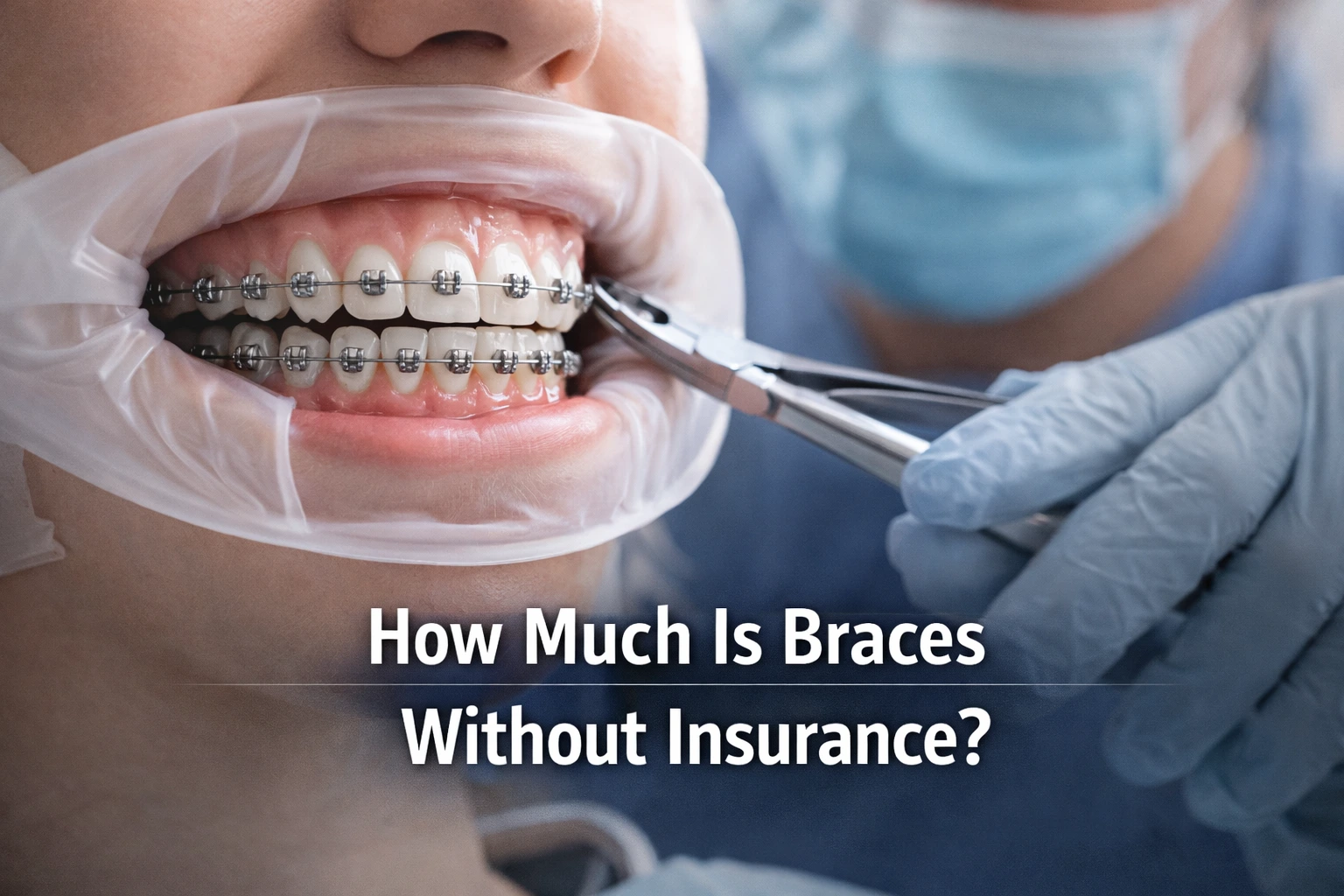
Orthodontic treatment is one of the most common long-term dental investments people make, whether for functional reasons, oral health improvement, or aesthetics. For many patients—especially adults and families without dental coverage—the first and most pressing question is how much is braces without insurance. The answer is not a single number. The total cost of braces varies widely depending on the type of braces, the complexity of the case, treatment duration, geographic location, orthodontist experience, and additional services required throughout treatment.
This comprehensive guide breaks down every cost factor involved in getting braces without insurance. It explains average prices, hidden fees, payment options, alternatives, and practical strategies to manage expenses. By the end, you’ll have a clear understanding of what braces really cost out of pocket and how to plan for them responsibly.
Also Read: Are Crowns Covered by Insurance
Table of Contents
- What Are Braces and Why Do People Get Them?
- How Much Is Braces Without Insurance on Average?
- Cost Breakdown by Type of Braces
- Why Braces Cost More Without Insurance
- Initial Consultation and Diagnostic Costs
- Additional Costs That Can Increase the Total Price
- How Treatment Length Affects Cost
- Geographic Location and Its Impact on Braces Cost
- Paying for Braces Without Insurance: Payment Plans and Financing
- Dental Discount Plans and Alternative Savings Options
- Braces for Adults vs Children Without Insurance
- Are Braces Worth the Cost Without Insurance?
- Comparing Braces to Clear Aligners Without Insurance
- How to Choose the Right Orthodontist Without Insurance
- Common Mistakes to Avoid When Paying for Braces Without Insurance
- Final Thoughts:
What Are Braces and Why Do People Get Them?
Braces are orthodontic devices used to correct misaligned teeth and jaw positioning issues such as crowding, gaps, overbites, underbites, and crossbites. Beyond cosmetic improvement, braces play a crucial role in oral health by making teeth easier to clean, reducing uneven wear, improving bite function, and lowering the risk of gum disease and jaw pain.
People seek braces at different life stages. Children and teens often get braces during active growth phases, while adults increasingly pursue orthodontic treatment for both health and aesthetic reasons. Without insurance coverage, understanding the full financial commitment is essential before starting treatment.
How Much Is Braces Without Insurance on Average?
On average, braces without insurance cost between $3,000 and $7,500, but this range can extend higher depending on treatment type and complexity. Simple cases with mild crowding may fall at the lower end of the spectrum, while complex bite corrections requiring longer treatment can exceed $8,000.
The quoted price usually covers the full course of treatment, which can last anywhere from 12 months to 36 months. However, not all orthodontic practices include the same services in their base price, making it critical to understand what is and is not included.
Cost Breakdown by Type of Braces
The type of braces you choose has the biggest impact on cost. Each option comes with different materials, visibility levels, and treatment considerations.
Metal Braces Cost Without Insurance
Traditional metal braces are the most affordable option. Without insurance, metal braces typically cost between $3,000 and $5,500. They are highly effective and suitable for nearly all orthodontic cases, including complex corrections.
Despite being more visible, metal braces remain popular because they are durable, efficient, and generally lead to shorter treatment times compared to some alternatives.
Ceramic Braces Cost Without Insurance
Ceramic braces function like metal braces but use tooth-colored or clear brackets, making them less noticeable. Without insurance, ceramic braces usually cost between $4,000 and $6,500.
The higher cost reflects the materials used and increased fragility. Ceramic brackets can stain or break more easily, which may lead to additional maintenance costs during treatment.
Lingual Braces Cost Without Insurance
Lingual braces are placed behind the teeth, making them virtually invisible from the front. They are among the most expensive options due to their custom design and technical complexity. Lingual braces without insurance often cost between $8,000 and $10,000 or more.
These braces require specialized training and frequent adjustments, which contributes to the higher price. They may also cause more initial discomfort and longer adaptation periods.
Invisalign and Clear Aligners Cost Without Insurance
Clear aligners, such as Invisalign, have become increasingly popular among adults. Without insurance, Invisalign typically costs between $3,500 and $8,000 depending on treatment length and case complexity.
Mild cases may qualify for lower-cost express plans, while full treatment plans involving significant movement fall at the higher end. Clear aligners offer convenience and aesthetics but may not be suitable for all orthodontic problems.
Why Braces Cost More Without Insurance
Orthodontic treatment involves far more than just the brackets or aligners. Without insurance, patients pay for every component of care, including diagnosis, treatment planning, regular adjustments, equipment, and professional expertise.
The total cost reflects:
-
Initial consultations and orthodontic evaluations
-
Diagnostic X-rays and digital scans
-
Custom appliances and materials
-
Monthly or bi-monthly adjustment visits
-
Emergency repairs or replacements
-
Retainers after treatment completion
Insurance typically offsets part of these costs. Without it, the full burden falls on the patient.
Initial Consultation and Diagnostic Costs
Most orthodontists include consultations and diagnostics in the overall treatment fee, but some charge separately. Initial exams can cost $100 to $300 without insurance, especially if advanced imaging or 3D scans are required.
It is essential to confirm whether these fees are included in the quoted treatment cost or billed separately.
Additional Costs That Can Increase the Total Price
Even after receiving a quoted price, additional expenses can arise during treatment. Broken brackets, lost aligners, extended treatment time, or poor compliance can increase overall costs.
Retainers, which are necessary after braces are removed, may cost $100 to $500 per set if not included. Some orthodontists include the first set of retainers, while others charge separately.
How Treatment Length Affects Cost
Longer treatment generally means higher costs. While most orthodontists quote a flat fee, extended treatment may require additional visits and adjustments that can increase expenses.
Complex bite corrections often require longer timelines, which is one reason severe cases cost more without insurance.
Geographic Location and Its Impact on Braces Cost
Location plays a significant role in orthodontic pricing. Urban areas and regions with higher living costs often have higher treatment fees. Rural or suburban practices may offer lower pricing.
Local competition among orthodontists can also influence pricing. Areas with more providers may offer more competitive rates or flexible payment plans.
Paying for Braces Without Insurance: Payment Plans and Financing
Most orthodontists understand the financial commitment involved and offer payment plans. These plans typically allow patients to spread payments over the duration of treatment with little or no interest.
Monthly payments for braces without insurance often range from $100 to $250, depending on the total cost and treatment length. Some practices require a down payment before starting treatment.
Dental Discount Plans and Alternative Savings Options
Dental discount plans are not insurance but can provide reduced rates for orthodontic treatment. Discounts typically range from 10% to 30%, depending on the plan and provider.
Health savings accounts (HSAs) and flexible spending accounts (FSAs) can also be used to pay for braces, reducing the effective cost through tax savings.
Braces for Adults vs Children Without Insurance
Adult braces often cost slightly more than children’s braces due to fully developed jaw structures and more complex movements. Adults may also prefer less visible options, which increases costs.
Children may benefit from early intervention treatments that shorten overall treatment duration, potentially lowering long-term costs.
Are Braces Worth the Cost Without Insurance?
For many people, the answer is yes. Braces can improve oral health, prevent future dental problems, and enhance self-confidence. While the upfront cost is significant, the long-term benefits often outweigh the expense.
Untreated orthodontic issues can lead to higher dental costs later, including tooth wear, gum disease, and jaw pain.
Comparing Braces to Clear Aligners Without Insurance
Clear aligners offer flexibility and aesthetics but may not be effective for complex cases. Braces, while more visible, provide greater control and often shorter treatment times for severe corrections.
Cost differences should be evaluated alongside effectiveness and suitability, not just appearance.
How to Choose the Right Orthodontist Without Insurance
Choosing the right orthodontist is critical when paying out of pocket. Look for transparent pricing, detailed treatment plans, flexible payment options, and clear communication.
Seeking multiple consultations can help compare pricing and treatment approaches before committing.
Common Mistakes to Avoid When Paying for Braces Without Insurance
Many patients focus only on the advertised price and overlook included services. Always ask what the fee covers, whether retainers are included, and what happens if treatment extends longer than expected.
Avoid choosing treatment solely based on the lowest price, as quality and experience matter significantly in orthodontic outcomes.
Final Thoughts:
So, how much is braces without insurance? Most patients can expect to pay between $3,000 and $7,500, depending on the type of braces, complexity of treatment, and location. While the cost may seem high, flexible payment options and long-term benefits make braces accessible to many people even without insurance.
Understanding all cost factors in advance allows you to budget effectively, avoid surprises, and choose the best orthodontic solution for your needs. If you approach orthodontic treatment with clear expectations and careful planning, braces can be a valuable investment in both your health and confidence.

COMMENTS