
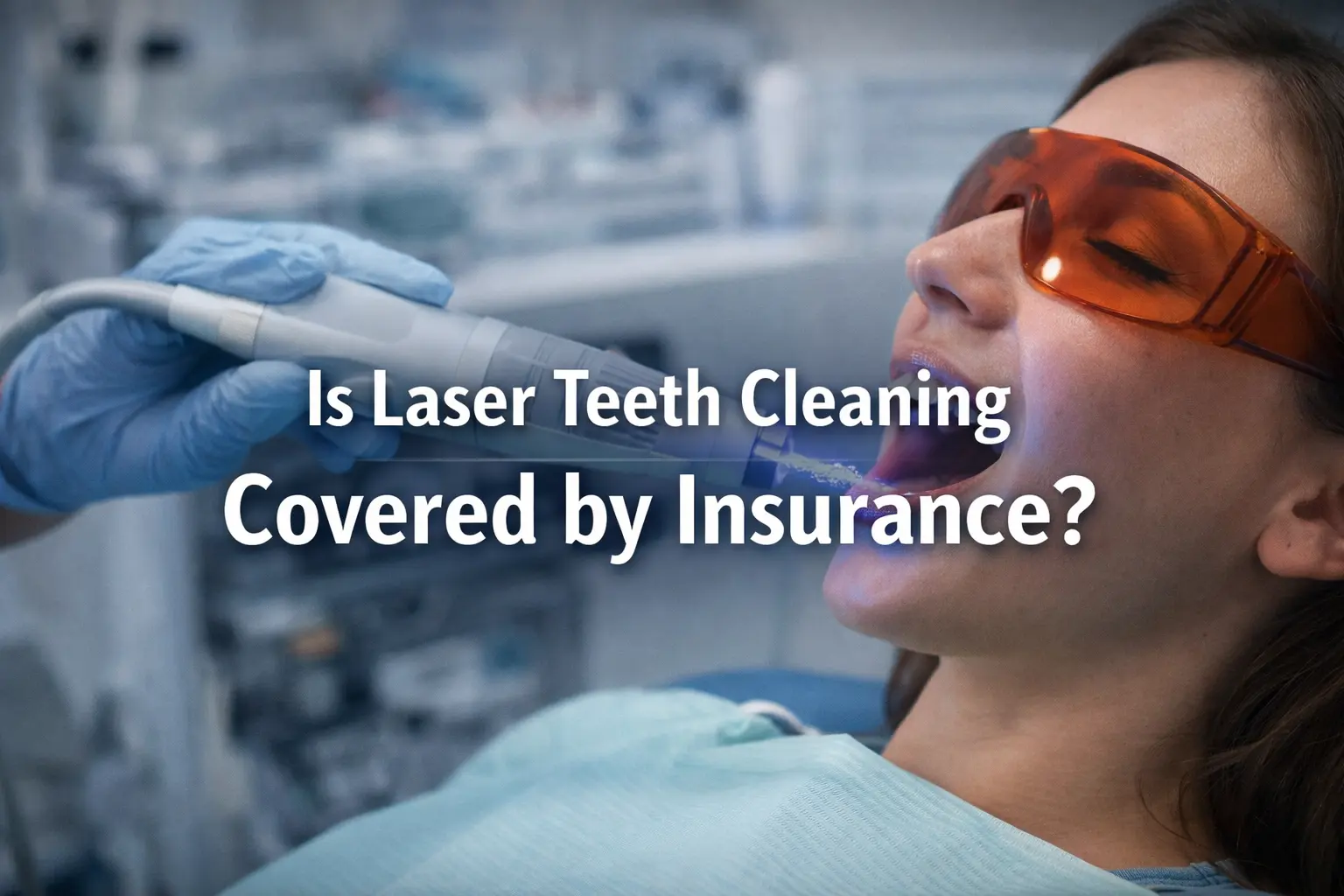
Laser teeth cleaning is becoming increasingly popular as more dental clinics adopt advanced technology to improve patient comfort and oral health outc
Last Updated on February 13, 2026 by Aliya Amber
Laser teeth cleaning is becoming increasingly popular as more dental clinics adopt advanced technology to improve patient comfort and oral health outcomes. Many people are curious not only about how laser teeth cleaning works but also about the financial side of the procedure. One of the most common and important questions patients ask is: is laser teeth cleaning covered by insurance? The short answer is that coverage depends on several factors, including your dental insurance plan, the medical necessity of the procedure, and how the treatment is coded by your dentist. This guide explores the topic in depth, explaining insurance coverage rules, costs, benefits, limitations, and what you should realistically expect as a patient.
Also Visit: How Much Is Laughing Gas At The Dentist With Insurance?
Table of Contents
- Understanding Laser Teeth Cleaning
- Why Insurance Coverage Is Often Confusing
- How Dental Insurance Views Laser Teeth Cleaning
- Preventive Cleanings vs Laser Cleanings
- Periodontal Disease and Insurance Coverage
- Is Laser Teeth Cleaning Considered Cosmetic?
- Typical Cost of Laser Teeth Cleaning Without Insurance
- How Dental Codes Affect Insurance Coverage
- Does Medical Insurance Ever Cover Laser Teeth Cleaning?
- Factors That Increase the Chance of Coverage
- Why Many Patients Still Choose Laser Teeth Cleaning
- Questions to Ask Your Dentist Before Treatment
- Payment Plans and Alternatives
- Long-Term Cost Considerations
- Common Misconceptions About Coverage
- Final Answer:
- Key Takeaways for Patients
Understanding Laser Teeth Cleaning
Laser teeth cleaning is a dental procedure that uses focused laser energy to remove plaque, tartar, and bacteria from teeth and gums. Unlike traditional scaling and root planing that relies on manual instruments or ultrasonic tools, laser cleaning targets infected tissue more precisely while preserving healthy gums. This approach is often associated with less discomfort, reduced bleeding, and faster healing times.
Dentists may recommend laser teeth cleaning for patients with gum disease, particularly moderate to severe periodontal disease. The laser helps disinfect periodontal pockets, remove inflamed tissue, and stimulate gum reattachment. While some clinics market laser teeth cleaning as a cosmetic or comfort-focused upgrade, its primary purpose in most cases is therapeutic rather than aesthetic.
Why Insurance Coverage Is Often Confusing
When asking is laser teeth cleaning covered by insurance, confusion arises because dental insurance plans are structured differently from medical insurance. Dental insurance typically categorizes treatments into preventive, basic, and major services. Preventive care usually includes routine cleanings, exams, and X-rays. Basic services may include fillings and non-surgical gum treatments, while major services cover crowns, surgeries, and advanced periodontal procedures.
Laser teeth cleaning does not always fit neatly into one category. Insurance companies usually do not cover procedures based on the technology used, such as lasers, but rather on the type of treatment being performed. This distinction is critical for understanding coverage.
How Dental Insurance Views Laser Teeth Cleaning
In most cases, dental insurance does not specifically cover “laser teeth cleaning” as a separate benefit. Instead, insurance companies look at whether the underlying procedure is covered. If laser teeth cleaning is used as part of a covered periodontal treatment, insurance may reimburse the cost at the same rate as traditional methods.
For example, if laser technology is used during scaling and root planing, insurance may cover the procedure under periodontal therapy benefits. However, the laser portion itself is often considered an enhancement, meaning any additional cost associated with using the laser may be billed to the patient.
Preventive Cleanings vs Laser Cleanings
Routine dental cleanings are typically covered at 100% or close to it under most dental insurance plans, usually twice per year. These cleanings involve removing surface plaque and tartar and are considered preventive care. Laser teeth cleaning, however, is not generally classified as a routine preventive cleaning.
If a dentist offers laser teeth cleaning as an alternative to standard cleaning for patients without gum disease, insurance is unlikely to cover it fully. In these cases, laser cleaning is often considered elective or an upgraded service, meaning patients are responsible for most or all of the cost.
Periodontal Disease and Insurance Coverage
Coverage becomes more likely when laser teeth cleaning is used to treat periodontal disease. Scaling and root planing is a common treatment for gum disease and is usually covered at 50% to 80% under many dental insurance plans. If a laser is used instead of traditional tools, insurance may still reimburse the procedure, but only at the rate of conventional treatment.
This means that while the procedure itself may be covered, the additional cost of using laser technology may not be. Patients often see this reflected as a “laser fee” or “technology upgrade fee” on their dental bill.
Is Laser Teeth Cleaning Considered Cosmetic?
Another key factor affecting coverage is whether the procedure is considered cosmetic. Cosmetic dental procedures, such as teeth whitening, are almost never covered by insurance. Some dental offices market laser teeth cleaning as a premium or cosmetic experience, emphasizing comfort, speed, and aesthetics rather than medical necessity.
If laser teeth cleaning is positioned as a cosmetic upgrade rather than a medical treatment for gum disease, insurance companies are much less likely to cover it. Documentation from your dentist plays a major role in how the procedure is classified and reimbursed.
Typical Cost of Laser Teeth Cleaning Without Insurance
Understanding coverage also requires understanding cost. Laser teeth cleaning can range widely in price, depending on the extent of treatment and location. A basic laser cleaning may cost between $200 and $400, while more advanced periodontal laser treatments can range from $600 to $2,000 or more.
When insurance partially covers the procedure, patients may still be responsible for hundreds of dollars in out-of-pocket costs. Without insurance, the full cost falls on the patient, making it even more important to understand whether coverage is possible.
How Dental Codes Affect Insurance Coverage
Dental insurance relies heavily on standardized procedure codes. Traditional cleanings, scaling, and root planing have established codes that insurance companies recognize. Laser procedures, however, often use the same codes as traditional treatments or are billed under miscellaneous codes.
If a dentist uses a standard periodontal treatment code and simply performs the procedure with a laser, insurance may process the claim normally. However, if the dentist uses a separate laser-specific code or adds an additional charge, insurance may deny or partially deny coverage.
This coding issue is one of the main reasons patients receive unexpected bills, even when they believe a procedure should be covered.
Does Medical Insurance Ever Cover Laser Teeth Cleaning?
In rare cases, medical insurance—not dental insurance—may provide coverage if laser teeth cleaning is medically necessary due to a systemic health condition. For example, patients with severe infections, compromised immune systems, or certain medical diagnoses may qualify for partial medical coverage.
These cases require extensive documentation, pre-authorization, and coordination between the dental provider and insurance company. While possible, this scenario is uncommon and should not be assumed.
Factors That Increase the Chance of Coverage
Several factors can increase the likelihood that insurance will cover part of laser teeth cleaning. Medical necessity is the most important. If the procedure is required to treat active periodontal disease rather than for comfort or cosmetic reasons, coverage is more likely.
Detailed documentation from your dentist, including periodontal measurements, X-rays, and diagnostic notes, can also improve approval chances. Additionally, if your plan includes periodontal maintenance benefits, some portion of the procedure may be reimbursed.
Why Many Patients Still Choose Laser Teeth Cleaning
Even when insurance does not fully cover laser teeth cleaning, many patients choose it for its perceived benefits. Laser treatments are often associated with less pain, reduced need for anesthesia, minimal bleeding, and faster recovery times.
For patients with dental anxiety or sensitivity, these advantages can outweigh the additional cost. Some patients also believe laser treatments lead to better long-term gum health, though results can vary depending on individual conditions and oral hygiene habits.
Questions to Ask Your Dentist Before Treatment
Before proceeding, it is essential to ask detailed questions. Confirm whether the procedure is considered preventive, periodontal, or cosmetic. Ask which codes will be submitted to insurance and whether there will be any non-covered charges.
Request a written treatment estimate that clearly outlines insurance coverage and out-of-pocket costs. This transparency helps avoid financial surprises and allows you to compare options.
Payment Plans and Alternatives
If insurance does not cover laser teeth cleaning or only partially covers it, many dental offices offer payment plans or financing options. Spreading the cost over several months can make treatment more manageable.
Patients should also ask about traditional scaling and root planing as an alternative. In many cases, conventional methods are just as effective and are more consistently covered by insurance.
Long-Term Cost Considerations
While laser teeth cleaning may cost more upfront, proponents argue that it can reduce the need for future treatments by improving gum health more effectively. If successful, this could lead to fewer dental visits, less advanced periodontal disease, and lower long-term costs.
However, outcomes vary, and there is no universal guarantee that laser treatment will prevent future dental expenses. Patients should weigh potential benefits against confirmed insurance coverage and personal budget constraints.
Common Misconceptions About Coverage
A common misconception is that newer technology is automatically covered by insurance. In reality, insurance companies are often slow to update coverage policies and prioritize cost control over innovation.
Another misconception is that a dentist’s recommendation guarantees coverage. Even medically recommended treatments can be denied if they fall outside policy guidelines or frequency limits.
Final Answer:
So, is laser teeth cleaning covered by insurance? In most cases, not fully. Dental insurance typically covers the underlying periodontal treatment, not the laser technology itself. If laser teeth cleaning is used as part of a covered procedure like scaling and root planing, insurance may reimburse the standard portion, leaving patients responsible for any additional laser-related fees.
Coverage is more likely when the procedure is medically necessary and properly documented, but cosmetic or elective laser cleanings are usually not covered. Understanding your specific dental plan, asking the right questions, and reviewing treatment estimates carefully are essential steps before proceeding.
Key Takeaways for Patients
Laser teeth cleaning offers potential comfort and health benefits, but insurance coverage is limited and highly dependent on how the procedure is classified. Patients should not assume coverage simply because the treatment is recommended.
By understanding how dental insurance works, communicating clearly with your dentist, and exploring alternative options, you can make informed decisions that balance oral health needs with financial realities. This knowledge empowers you to approach laser teeth cleaning with realistic expectations and confidence, even when insurance coverage is uncertain.

COMMENTS