
Orthodontic treatment is a long-term commitment that often lasts between one and three years. Many people begin braces with dental insurance that help
Last Updated on February 13, 2026 by Aliya Amber
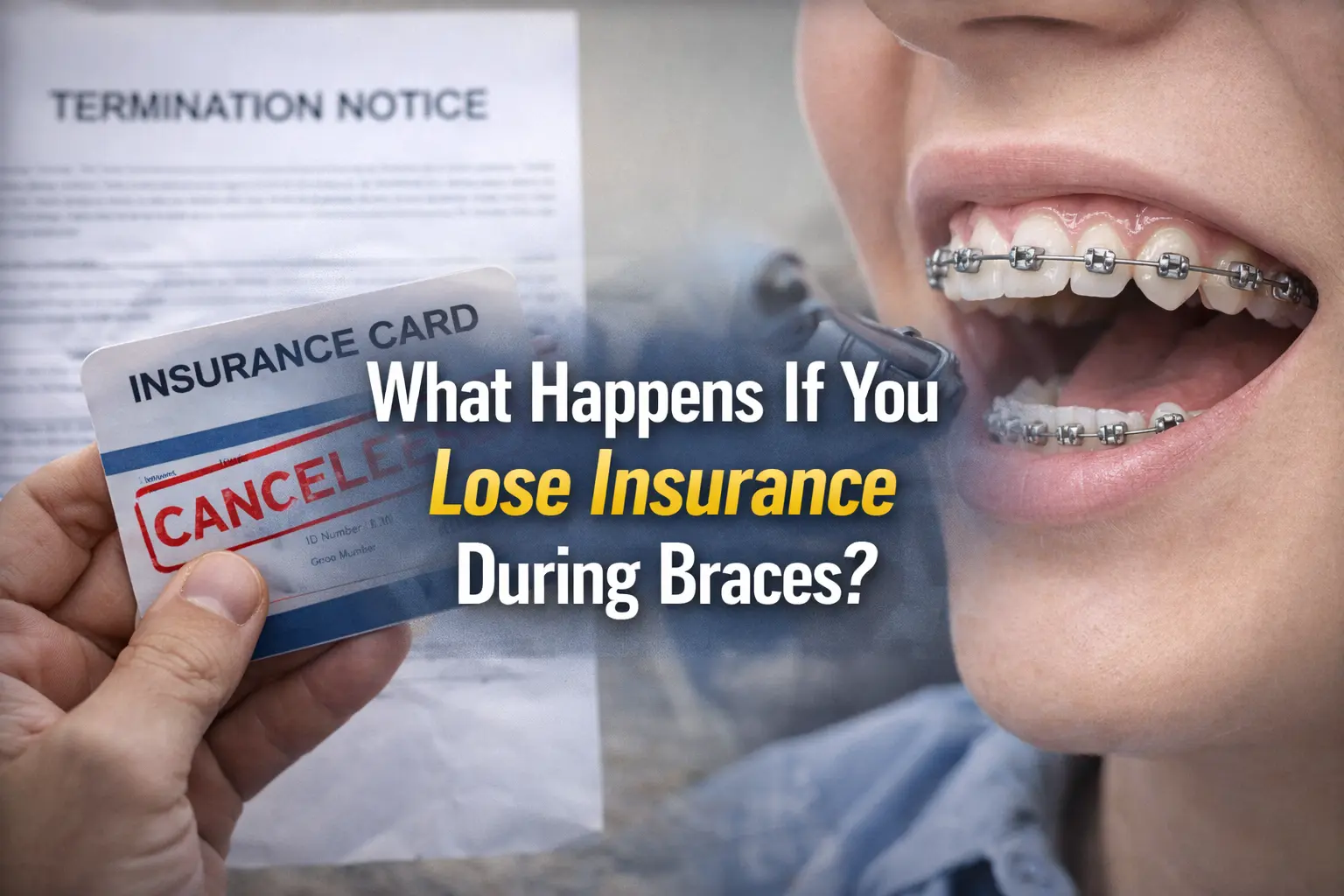
Orthodontic treatment is a long-term commitment that often lasts between one and three years. Many people begin braces with dental insurance that helps reduce the overall cost, only to face an unexpected situation later—job loss, job change, aging out of a parent’s plan, or changes in insurance coverage. This leads to a very common and stressful question: what happens if you lose insurance during braces? The concern is valid, because braces are expensive, ongoing care is required, and stopping treatment halfway can cause both financial and dental problems. This guide explains in full detail what actually happens, what does not happen, and what options you realistically have if your insurance ends while you are still wearing braces.
Also Visit: Are Crowns Covered by Insurance?
Table of Contents
- Understanding How Braces and Insurance Work
- Losing Insurance Does Not Cancel Your Braces
- What Happens to Insurance Payments Already Made?
- Why Orthodontists Still Expect Full Payment
- Common Reasons People Lose Insurance During Braces
- How Much More Will You Have to Pay?
- Payment Plans After Losing Insurance
- Can You Switch Orthodontists After Losing Insurance?
- What Happens If You Stop Paying?
- Losing Insurance Mid-Treatment vs Before Treatment Ends
- Can You Add New Insurance During Braces?
- Employer Insurance Changes and Braces
- What About Children vs Adults?
- Are There Any Assistance Programs?
- Should You Remove Braces If You Lose Insurance?
- Long-Term Financial Perspective
- Questions You Should Ask Immediately
- Emotional and Psychological Impact
- Final Answer:
- Key Takeaways for Patients
Understanding How Braces and Insurance Work
To understand what happens if you lose insurance during braces, it is important to first understand how orthodontic insurance benefits are structured. Unlike regular dental cleanings or fillings, braces are usually covered under a lifetime orthodontic benefit, not an annual one. This means your insurance does not pay the full amount upfront. Instead, it spreads payments over time as treatment progresses.
Most insurance plans pay a portion of the orthodontic cost at the beginning of treatment and then continue making monthly or quarterly payments as long as the insurance remains active. If insurance ends, those future payments stop—but the treatment itself does not automatically stop.
Losing Insurance Does Not Cancel Your Braces
One of the biggest fears patients have is that losing insurance will force them to remove their braces. In reality, orthodontic treatment does not automatically stop if insurance ends. Your orthodontist does not remove braces simply because insurance coverage is lost. However, the financial responsibility shifts.
When insurance ends, you become responsible for the remaining balance that insurance would have covered if it had stayed active. This is the most important practical outcome of losing insurance during braces.
What Happens to Insurance Payments Already Made?
Insurance payments that were already made are not taken back. If your insurance paid an initial portion of the braces cost or several monthly payments before coverage ended, those payments remain valid. You do not owe that money back.
However, any future expected payments from insurance are canceled, and the remaining balance is transferred to you. This can feel sudden and overwhelming, especially if you were relying on insurance to cover a large portion of the total cost.
Why Orthodontists Still Expect Full Payment
Orthodontic treatment is priced as a total package, even though it is paid over time. When you signed your treatment agreement, you agreed to the full cost of braces, not just the portion insurance covers. Insurance is considered a third-party contribution, not a guarantee.
This means that even if insurance ends unexpectedly, the orthodontist is still owed the full treatment fee. Losing insurance does not change the original contract—it only changes who pays.
Common Reasons People Lose Insurance During Braces
Understanding why insurance is commonly lost helps normalize the situation. Many patients go through this, and orthodontists deal with it regularly.
Some of the most common reasons include job loss or switching employers, changing from full-time to part-time work, aging out of a parent’s dental insurance plan, divorce or family coverage changes, switching insurance plans that do not include orthodontic benefits, or moving to a different state or country.
In all of these cases, braces treatment usually continues, but financial arrangements must be adjusted.
How Much More Will You Have to Pay?
The amount you owe after losing insurance depends on how much of the orthodontic benefit has already been paid and how much remains. Many dental insurance plans cover between $1,000 and $2,500 lifetime for orthodontics.
If your insurance paid only the initial portion and you lose coverage early in treatment, you may be responsible for a significant remaining balance. If you lose insurance near the end of treatment, the additional cost may be much smaller.
Your orthodontist can provide an updated balance statement showing exactly what insurance has paid and what is still owed.
Payment Plans After Losing Insurance
Most orthodontists understand that losing insurance is not always within a patient’s control. Because of this, many offices are willing to adjust payment plans rather than demanding a lump sum payment.
In many cases, your monthly payment may increase slightly to cover the portion insurance would have paid. Some offices may extend the payment timeline to keep monthly costs manageable. Others may offer temporary hardship arrangements if the insurance loss is tied to job loss or financial difficulty.
Communication is critical. Orthodontists are far more flexible when patients are proactive and transparent.
Can You Switch Orthodontists After Losing Insurance?
Some patients consider switching orthodontists to save money after losing insurance. While this is possible, it often does not result in major savings and can sometimes cost more.
Transferring orthodontic care usually involves a transfer fee, new records, and a reassessment of treatment. The new orthodontist may not honor the original pricing and may charge for the remaining treatment as a new case.
In most situations, staying with your current orthodontist and adjusting payment terms is the most cost-effective option.
What Happens If You Stop Paying?
If payments stop and no new arrangement is made, orthodontic offices can pause treatment. This means adjustments may stop, appointments may be delayed, and in extreme cases, braces may eventually be removed before treatment is complete.
Stopping treatment early can cause teeth to shift back, worsen alignment, or lead to bite problems. Incomplete treatment may require future orthodontic correction, which can cost more than finishing the original plan.
This is why addressing payment issues early is essential.
Losing Insurance Mid-Treatment vs Before Treatment Ends
The timing of insurance loss makes a big difference. Losing insurance early in treatment usually means a larger financial adjustment, because fewer insurance payments have been made. Losing insurance near the end of treatment usually has a smaller impact.
However, regardless of timing, the orthodontic care plan remains intact unless you choose to stop treatment. Insurance loss changes finances, not medical necessity.
Can You Add New Insurance During Braces?
In some cases, patients are able to enroll in a new dental insurance plan after losing coverage. However, most orthodontic benefits do not cover treatment already in progress.
Even if the new plan includes orthodontic coverage, it often excludes pre-existing treatment. Some plans may offer partial coverage, but this is less common and usually requires detailed review of policy terms.
Never assume new insurance will take over payments without written confirmation.
Employer Insurance Changes and Braces
Job changes are one of the most common reasons insurance ends during braces. If you switch employers, there may be a gap in coverage or a new plan with different orthodontic benefits.
Some employer plans have waiting periods for orthodontic coverage, while others exclude it entirely. Even if orthodontics are covered, ongoing treatment may not qualify.
Before switching jobs, if possible, it is wise to review the new dental plan carefully if you or a dependent are in braces.
What About Children vs Adults?
For children and teenagers, braces are more commonly covered by insurance, but coverage still follows the same lifetime benefit structure. Losing insurance for a child mid-treatment has the same financial consequences as for adults.
Adult orthodontic coverage is often more limited or excluded altogether. Adults who lose insurance may already be paying a larger share out of pocket, making insurance loss slightly less impactful but still significant.
Are There Any Assistance Programs?
In certain cases, patients may qualify for financial assistance programs, dental schools, or nonprofit clinics that offer reduced-cost orthodontic care. These options are limited and often involve longer treatment timelines, but they can help in extreme financial hardship situations.
Some orthodontic offices also offer in-house discounts, hardship programs, or interest-free financing when insurance is lost unexpectedly.
Should You Remove Braces If You Lose Insurance?
Removing braces early is rarely recommended unless absolutely necessary. Partial treatment can leave teeth misaligned, create bite issues, and reduce the long-term success of orthodontic care.
If cost becomes overwhelming, it is better to discuss slower treatment schedules, reduced visit frequency, or adjusted payment plans rather than stopping altogether.
Completing treatment, even with financial adjustments, is almost always better than abandoning it halfway.
Long-Term Financial Perspective
While losing insurance during braces can feel financially devastating, it is important to view orthodontic treatment as a long-term investment in oral health. Proper alignment can reduce future dental problems, lower the risk of gum disease, improve bite function, and prevent costly restorative treatments later.
In many cases, finishing treatment—even without insurance—is less expensive than dealing with complications caused by incomplete orthodontic care.
Questions You Should Ask Immediately
If you lose insurance during braces, ask your orthodontist for an updated balance, a breakdown of what insurance has paid, revised monthly payment options, whether the payment timeline can be extended, and whether any hardship accommodations are available.
Getting clarity early prevents misunderstandings and reduces stress.
Emotional and Psychological Impact
Beyond finances, losing insurance during braces can be emotionally stressful. Patients often feel embarrassed, anxious, or frustrated. It is important to remember that this situation is common and manageable.
Orthodontic offices handle insurance changes regularly, and most are willing to work with patients who communicate openly.
Final Answer:
So, what happens if you lose insurance during braces? Your treatment does not automatically stop, your braces are not removed, and insurance payments already made are not reversed. However, any remaining portion of the treatment cost that insurance would have covered becomes your responsibility.
Most orthodontists will adjust payment plans, extend timelines, or offer flexible solutions. The key is proactive communication and understanding that insurance is a supplement—not a guarantee.
Key Takeaways for Patients
Losing insurance during braces is stressful, but it does not mean treatment failure. With proper planning, open discussion, and realistic expectations, most patients are able to complete treatment successfully.
By understanding how orthodontic insurance works, knowing your options, and addressing changes early, you can protect both your smile and your financial stability—even when insurance coverage unexpectedly ends.

COMMENTS