
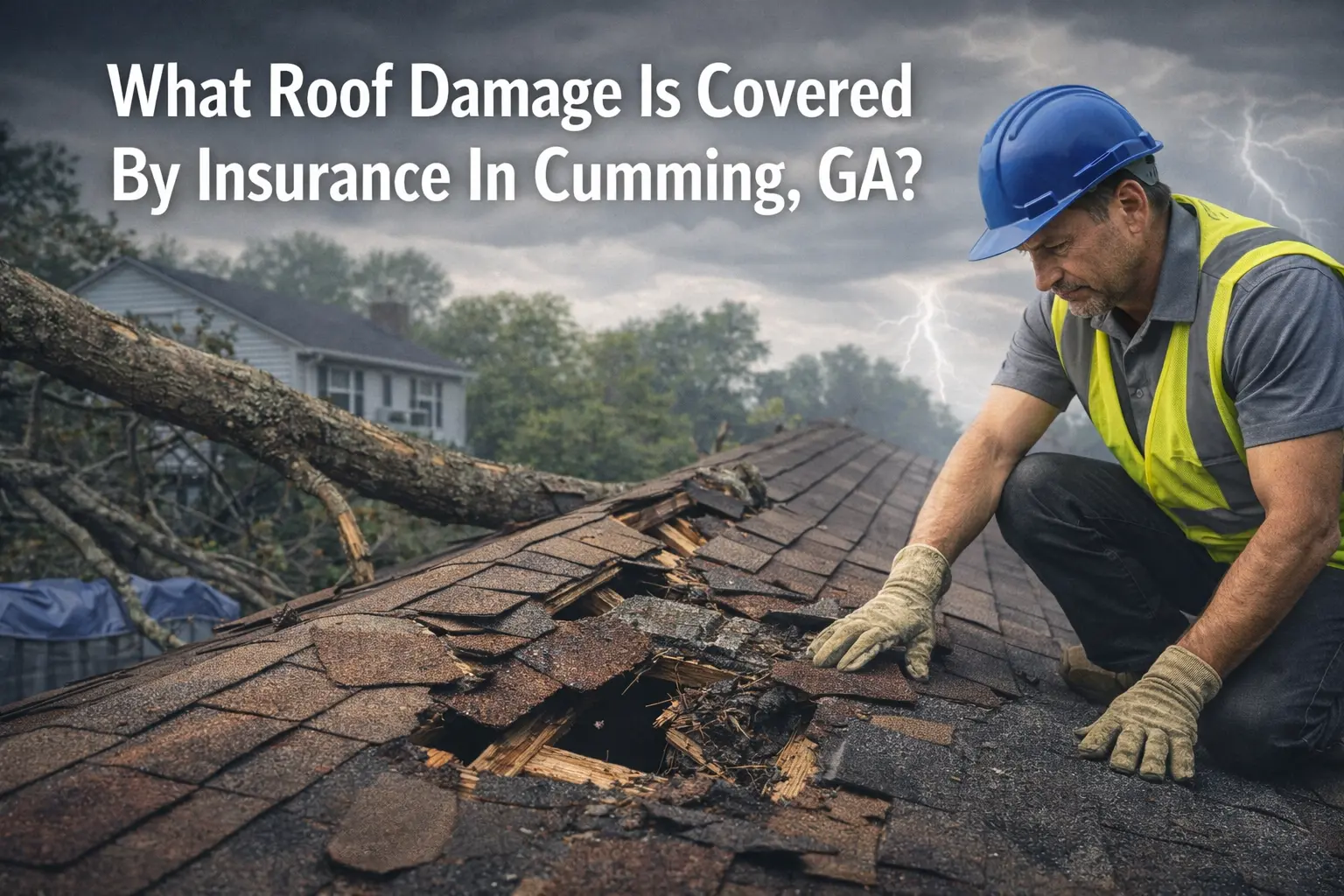
Roof damage is one of the most common and expensive problems homeowners face in Cumming, Georgia. The area experiences strong thunderstorms, heavy rai
Last Updated on January 8, 2026 by Aliya Amber
Roof damage is one of the most common and expensive problems homeowners face in Cumming, Georgia. The area experiences strong thunderstorms, heavy rain, high winds, occasional hail, falling tree limbs, and long periods of intense heat that can slowly weaken roofing materials. When damage occurs, many homeowners assume their insurance will automatically pay for repairs or replacement. Unfortunately, roof insurance claims are often misunderstood, partially approved, or denied altogether. The key reason is that insurance coverage depends not just on what the damage looks like, but how and when it happened.
Homeowners insurance is designed to protect against sudden and accidental losses, not gradual deterioration or lack of maintenance. Understanding this distinction is critical when dealing with roof claims in Cumming. This guide explains in detail what types of roof damage are usually covered by insurance, what is commonly excluded, how deductibles and depreciation affect payouts, and what homeowners should do to protect themselves during the claims process.
Also Explore: Can An Insurance Company Sue You
Table of Contents
- How Homeowners Insurance Views Roof Damage
- Roof Damage Commonly Covered by Insurance in Cumming, GA
- Roof Damage That Insurance Commonly Does NOT Cover
- Deductibles and Why Coverage Doesn’t Always Mean a Payout
- Replacement Cost vs Actual Cash Value Roof Coverage
- Partial Repairs, Matching Issues, and Full Roof Replacement
- Building Code Upgrades and Ordinance or Law Coverage
- Interior Damage Caused by Roof Leaks
- How to Strengthen a Roof Insurance Claim
- Final Thoughts
How Homeowners Insurance Views Roof Damage
Insurance companies evaluate roof claims based on cause, timing, and condition. When an adjuster inspects a roof, they are not simply looking for damage—they are determining whether the damage resulted from a covered peril or from normal wear and tear. Covered perils are events that happen suddenly and unexpectedly, such as storms, falling objects, or fire. Wear and tear refers to damage that occurs slowly over time due to age, weather exposure, poor installation, or lack of maintenance.
This distinction explains why two homes on the same street can experience the same storm but receive very different claim outcomes. One roof may show clear signs of recent storm damage, while another may show aging shingles that were already near failure before the storm occurred.
Roof Damage Commonly Covered by Insurance in Cumming, GA
Wind Damage from Thunderstorms
Wind damage is one of the most frequently covered types of roof damage in North Georgia. Strong winds can lift shingles, tear them completely off the roof, loosen ridge caps, damage flashing, or expose underlayment. When wind creates an opening in the roof system, insurance typically covers both the roof repair and any interior damage caused by water entering through that opening.
Adjusters often look for signs such as creased shingles, missing tabs, displaced ridge caps, or lifted shingle edges. These indicators suggest sudden wind damage rather than gradual deterioration. If the wind damage can be tied to a specific storm event, coverage is more likely to be approved.
Hail Damage That Affects Roof Function
Hail damage can be covered, but only when it causes functional impairment. Insurance companies distinguish between cosmetic hail damage and damage that actually shortens the roof’s lifespan or compromises its ability to keep water out. Functional damage may include fractured shingle mats, exposed asphalt layers, crushed granules that reduce UV protection, dented metal components, or punctures in roofing materials.
Cosmetic damage—such as small dents or marks that do not affect performance—is often excluded or limited by policy endorsements. This is why hail claims are among the most disputed roof claims in Cumming and surrounding areas.
Damage from Falling Trees and Limbs
If a tree or large limb falls on your roof due to wind, storms, or lightning, insurance generally covers the resulting damage. This can include broken decking, damaged rafters, crushed gutters, and interior water damage caused by roof penetration. In many cases, insurance also covers limited tree removal when the tree damages a covered structure or blocks access to the property.
Even if the tree was already dead or unhealthy, the damage is often still covered because the falling object caused sudden damage to the structure.
Fire and Lightning Damage
Fire-related roof damage is almost always covered under homeowners insurance. Lightning strikes that cause fires, explosions, or structural damage to roof framing are considered covered perils. Lightning can also damage electrical systems in the attic or roof space, leading to secondary fire damage that insurance typically pays for.
Damage from Wind-Blown Debris
Storm debris such as fence panels, patio furniture, or construction materials can become airborne during severe weather and strike roofs. Insurance generally treats this type of damage the same as falling objects, covering repairs when debris causes punctures, cracks, or structural damage.
Vandalism and Sudden Accidental Damage
If your roof is intentionally damaged through vandalism, many homeowners policies provide coverage. This might include shingles being torn off or roof components being damaged intentionally. Proof and documentation are critical in these cases, and a police report is often required.
Roof Damage That Insurance Commonly Does NOT Cover
Wear and Tear and Aging Roofs
Normal aging is not covered by insurance. Shingles that curl, crack, or lose granules due to age are considered maintenance issues. Even if a storm occurs, insurance may deny the claim if the roof was already deteriorated and the storm did not directly cause new damage.
This is one of the most common reasons roof claims are denied in Cumming. Insurance companies frequently argue that the roof had reached the end of its useful life.
Long-Term Leaks and Moisture Damage
Insurance typically does not cover leaks that develop slowly over time. Water stains, mold growth, rotted decking, or damaged insulation that results from long-term moisture intrusion are usually excluded. Insurance covers sudden water damage from a covered event, not damage caused by prolonged exposure.
If a roof leak has been present for weeks or months before being reported, the insurer may deny the claim entirely or limit payment to a very small portion.
Poor Maintenance and Improper Repairs
If roof damage results from improper installation, faulty workmanship, or neglected maintenance, insurance usually denies coverage. Examples include improperly installed flashing, missing sealant, incorrect nail placement, or patch repairs that were never completed correctly.
Insurance is not meant to fix construction defects or correct poor workmanship.
Flood-Related Roof Damage
Flooding is generally excluded from standard homeowners insurance. If floodwater rises and damages roof structures from below, this is usually not covered unless the homeowner has separate flood insurance. Storm surge, rising water, and drainage failures fall under flood exclusions.
Cosmetic Damage Exclusions
Many policies include endorsements that exclude cosmetic roof damage, especially from hail. This means the roof may look damaged but still be considered functional by the insurer. In such cases, insurance may refuse to pay for repairs even though the appearance of the roof is affected.
Deductibles and Why Coverage Doesn’t Always Mean a Payout
Even when roof damage is covered, the deductible plays a major role in how much the homeowner receives. Some policies use a flat deductible, while others use a percentage-based deductible for wind or storm damage. Percentage deductibles can result in thousands of dollars out of pocket before insurance pays anything.
For smaller repairs, the cost may not exceed the deductible at all. This leads many homeowners to believe their claim was denied, when in reality it was covered but fell below the deductible threshold.
Replacement Cost vs Actual Cash Value Roof Coverage
Replacement cost coverage pays for repairs or replacement without factoring in depreciation. Actual cash value coverage deducts depreciation based on the age and condition of the roof. Many homeowners in Cumming are surprised to learn their roof is paid on an actual cash value basis, especially if the roof is older.
With actual cash value coverage, an older roof may receive only a fraction of the replacement cost. This can make a covered claim financially disappointing even when approved.
Some policies include age-based roof limitations, where roofs older than a certain number of years automatically switch to actual cash value.
Partial Repairs, Matching Issues, and Full Roof Replacement
Insurance companies often prefer partial repairs when damage is limited to one section of the roof. However, matching issues can complicate repairs. If replacement shingles do not match the existing roof due to age, fading, or discontinued products, homeowners may argue that repairs would create an inconsistent appearance or reduce property value.
Whether insurance agrees to a full roof replacement depends on policy language, repair feasibility, material availability, and local building requirements. There is no automatic rule guaranteeing full replacement for mismatched roofs, but strong documentation can influence outcomes.
Building Code Upgrades and Ordinance or Law Coverage
When roof repairs trigger updated building codes, additional costs may arise. These can include requirements for underlayment, ventilation, decking attachment, or ice and water barriers. Insurance only pays for these upgrades if the policy includes ordinance or law coverage.
Without this coverage, homeowners may have to pay code upgrade costs out of pocket, even when the roof damage itself is covered.
Interior Damage Caused by Roof Leaks
If a covered roof event causes water to enter the home, insurance typically covers interior damage such as drywall, insulation, flooring, cabinets, and personal property. However, homeowners are required to take reasonable steps to prevent further damage once a leak is discovered.
Failure to mitigate damage can lead to partial claim denial.
How to Strengthen a Roof Insurance Claim
Proper documentation is critical. Homeowners should take photos of roof damage, interior damage, and any debris involved. Weather timing, storm dates, and witness observations can help establish causation. Temporary repairs should be documented, not hidden.
Prompt reporting also matters. Delays can raise questions about whether the damage was truly sudden or storm-related.Common Reasons Roof Claims Are Denied
Roof claims are often denied because the damage is attributed to wear and tear, pre-existing conditions, lack of maintenance, or long-term leaks. Other reasons include insufficient documentation, late reporting, or damage falling below the deductible.
Understanding these reasons allows homeowners to approach claims more strategically.
Final Thoughts
Roof damage insurance coverage in Cumming, GA depends on the cause of damage, the condition of the roof, and the specific policy terms. Sudden damage from storms, wind, hail with functional impairment, falling trees, and fire is often covered. Aging roofs, maintenance issues, and long-term leaks are usually not.
Deductibles, depreciation, and exclusions can significantly affect payouts even when coverage applies. The most successful claims are those that are reported promptly, documented thoroughly, and clearly tied to a covered event.
Homeowners who understand how insurance evaluates roof damage are better prepared to protect their investment, avoid costly surprises, and make informed decisions when roof problems arise.

COMMENTS